Most home cooks are doing chicken seasoning wrong -- not because they use bad ingredients, but because they apply it at the wrong time, in the wrong amounts, with the wrong technique. The difference between a dry, bland piece of chicken and one that tastes like it came from a restaurant is not a secret spice blend. It is basic science and timing.
The Foundation: Salt Does the Heavy Lifting
Before you reach for any spice blend, address salt. Not just salting the surface -- proper seasoning means the salt penetrates. For thin cutlets, 30 minutes is enough. For bone-in pieces, you need at least 2 hours. For a whole chicken, 24 hours is not overkill -- it is what actually works.
Dry brining (seasoning with salt and letting it sit uncovered in the fridge) is the single most impactful thing you can do for chicken. The salt dissolves the proteins, which then retain more moisture during cooking. You end up with chicken that is more juicy and more flavorful than if you had not brined it -- even with the same cooking time and temperature.
The ratio: about 1 teaspoon of kosher salt per pound of chicken. You can add pepper or other spices to the dry brine, but start with just salt and see the difference before adding complexity.
Aromatics: Building Flavor From the Inside
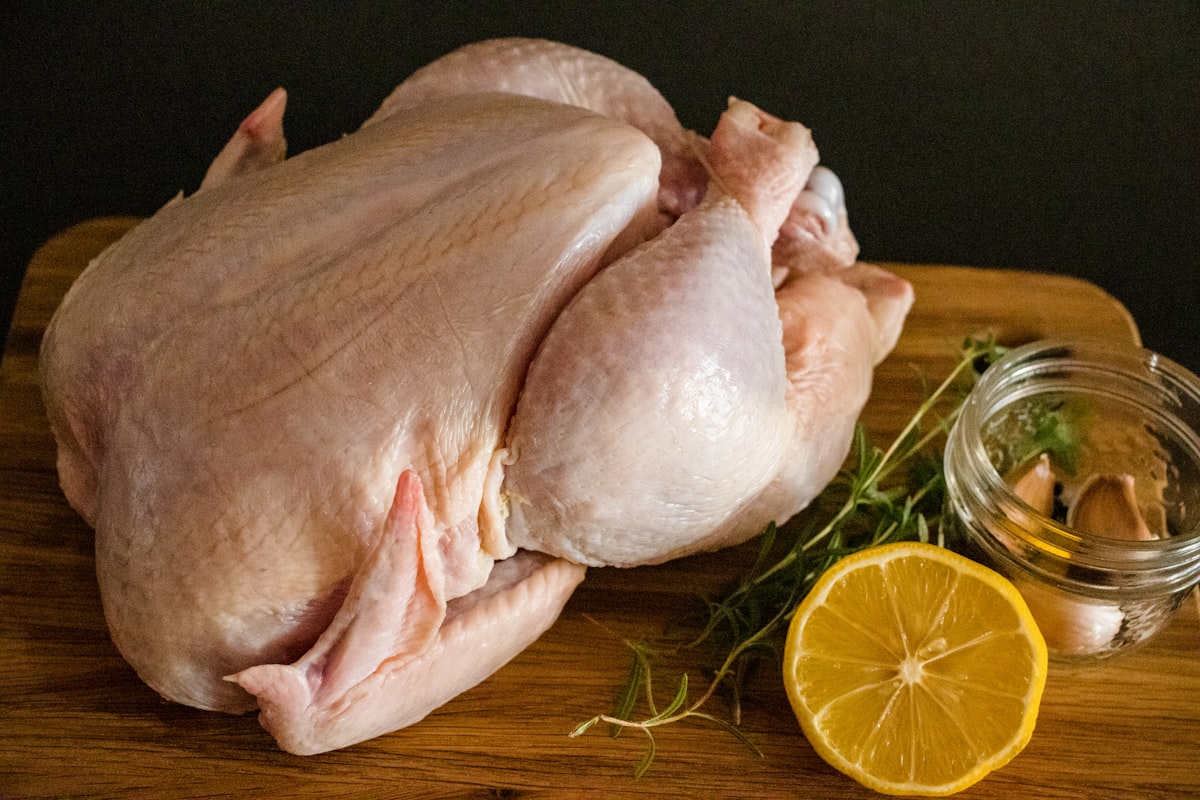
Once salt is handled, think about aromatics -- garlic, shallots, herbs, citrus zest -- that you work into the meat itself, not just sprinkled on top. Stuffing the cavity of a whole chicken with halved lemon, garlic cloves, and fresh thyme before roasting changes the flavor of the meat from the inside out.
For boneless pieces, a simple paste of minced garlic, olive oil, and herbs applied under the skin (loosen the skin from the breast with your fingers first) delivers seasoning to every bite instead of just the surface.
Compound butter -- herbs and garlic blended into softened butter, then stuffed under the skin -- is another technique worth having in your arsenal. It bastes the chicken from the inside as it melts during roasting, and the fat carries the aromatics deeper into the meat.
Spice Rubs: When and Why
Spice rubs work best on chicken that will be cooked with dry heat -- grilled, roasted, or pan-seared. They do not penetrate the meat, so their job is to create a flavored crust on the outside. The key is to let the rub sit on the chicken for at least 20-30 minutes before cooking so the spices have time to hydrate and adhere to the surface.
For a basic poultry rub: 1 part garlic powder, 1 part onion powder, 2 parts paprika, 1 part black pepper, and enough salt to make it taste bold. This works on everything from chicken wings to bone-in thighs.
If you want a spicier profile, add chili powder or a small amount of cayenne. For a smokier flavor, double the paprika and add a teaspoon of cumin.
Wet Marinades and Acid
Wet marinades are often oversold. They penetrate only about 1-2mm into the surface of meat, so their effect is mostly visual and textural rather than deeply flavored. But the acid component -- lemon juice, yogurt, buttermilk -- does meaningful work on the surface of the meat, tenderizing the proteins and creating a better texture after cooking.
The best use of a wet marinade: chicken you plan to grill or bake at high heat, where the surface will char and the acid-tenderized outer layer creates a more interesting crust. Marinate boneless skinless chicken breasts for 30 minutes to 2 hours in a mixture of plain yogurt, garlic, cumin, and a squeeze of lime. The yogurt tenderizes the surface and the spice blend creates a crust that browns beautifully under high heat.
The Final Step: Season at the End Too
Seasoning chicken is not a one-time event. Taste the meat after it comes off the heat and adjust before serving. A squeeze of lemon, a pinch of finishing salt (flaky Maldon salt is worth having), a few fresh herbs -- these additions take seconds and make the final dish taste like you knew what you were doing the whole time.
And if you want the spice blends pre-measured so you are not digging through half-empty jars every time you cook, FlavorPlan seasoning kits come portioned at $5.49 per kit -- everything measured out so you just open and add.